成都少城,亦称“满城”,位于成都大城的西部,是历史上成都大城的子城。其始建于秦惠文王二十七年(公元前 311 年),在康熙五十七年(公元 1718 年),清政府安排八旗官兵长驻成都后,由时任四川巡抚年羹尧在少城范围内新筑一城,四周建城墙,形成一座城中城,专供八旗官兵及家眷居住。

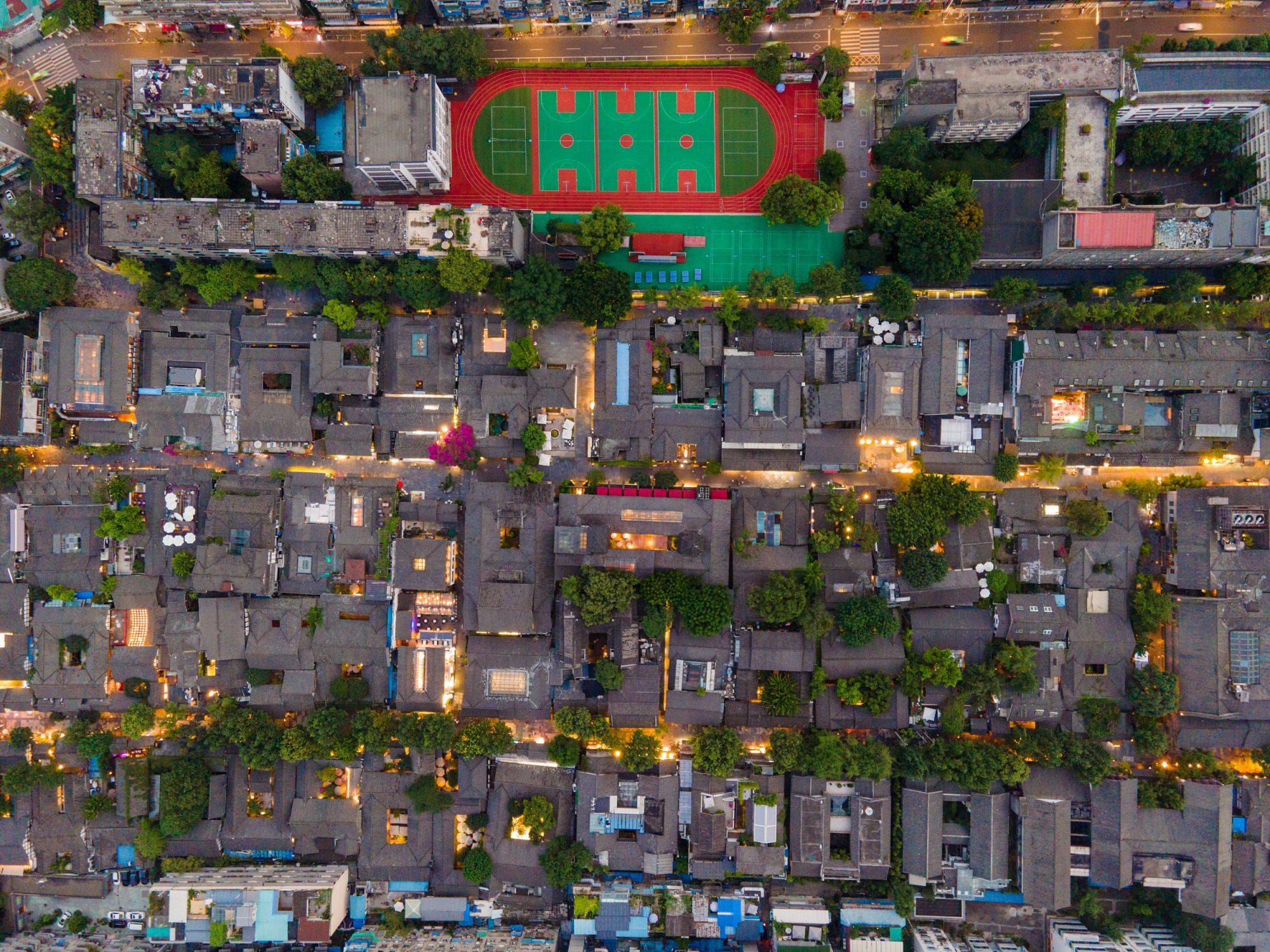
如今,少城已成为成都的一个重要文化地标,吸引着众多游客前来探寻历史的足迹。这里的街巷充满了生活气息,保留了许多传统的川西院子和建筑。其中,宽窄巷子是最具代表性的景点之一,吸引着大量游客前来体验成都的传统文化和生活方式。
在少城的发展过程中,也经历了多次的变迁和更新。如今,少城的布局和功能更加多样化,融合了现代元素和传统文化。一些古老的建筑被修缮和保护,同时也有新的建筑和设施不断涌现。
总的来说,成都少城不仅是历史的见证者,也是成都文化的重要组成部分。它承载着丰富的历史和文化内涵,同时也展现了成都的独特魅力和活力。无论是过去还是现在,少城都在成都的发展中扮演着重要的角色。
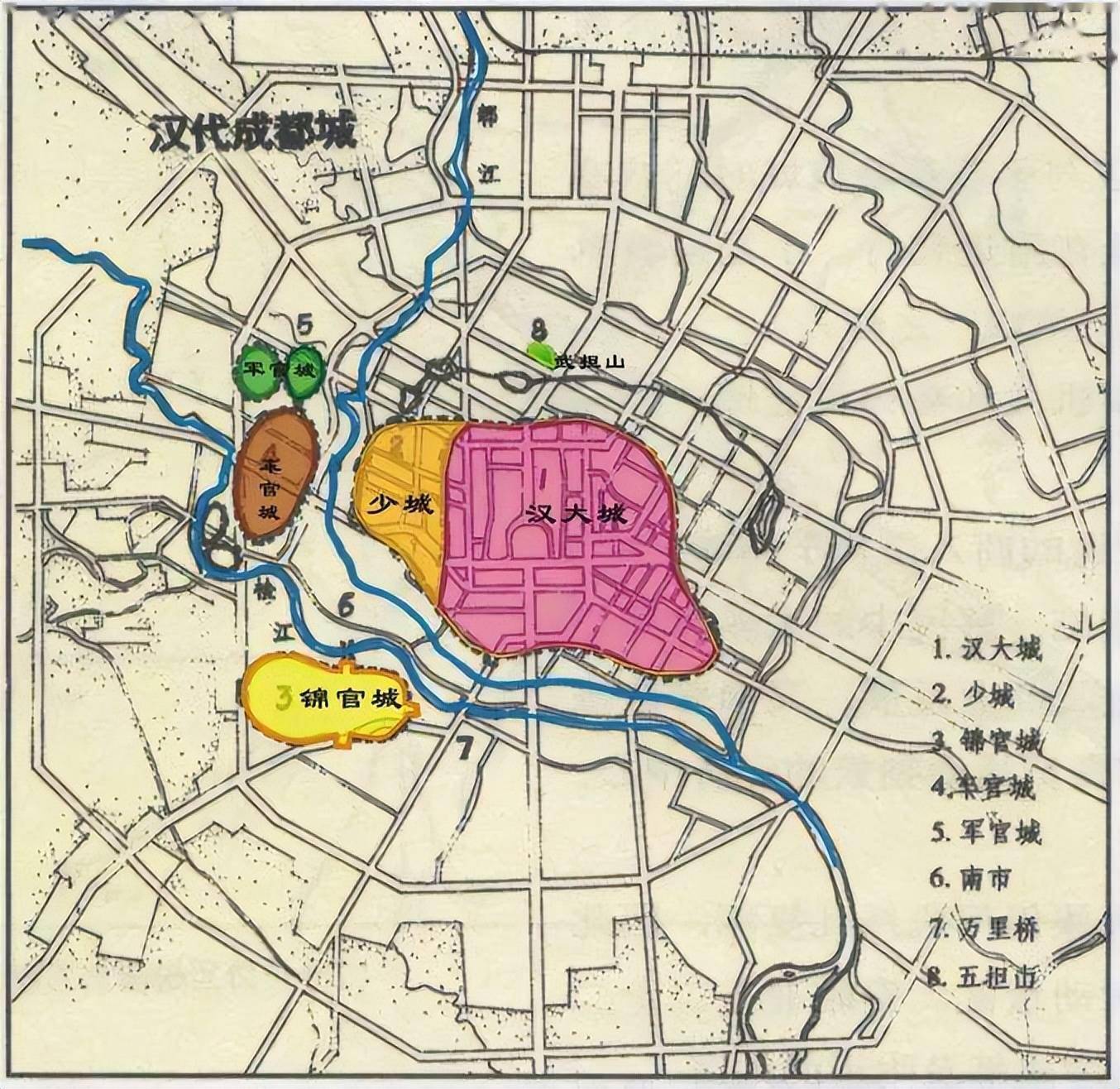
Chengdu Shaocheng, also known as "Mancheng", is located in the west of Chengdu's main city and is the subsidiary city in the history of Chengdu's main city. It was initially built in the 27th year of King Huiwen of Qin (311 BC). In the 57th year of Emperor Kangxi (1718 AD), after the Qing government arranged the Eight Banners officers and soldiers to reside in Chengdu for a long time, Nian Gengyao, the governor of Sichuan at that time, built a new city within the scope of Shaocheng, built city walls around it, forming a city within a city, which was exclusively for the Eight Banners officers and soldiers and their families to live.
The layout of Shaocheng is like a centipede. The general's yamen is the head of the centipede, a Changshun Street is the body of the centipede, and the other soldier alleys are the feet of the centipede. The perimeter of Shaocheng is more than 22,500 meters, and the city wall is 4.3 meters high, commonly known as "nine miles and three-thirds through the city"; there are 5 city gates, among which the Great East Gate is the most spectacular, with two plaques hanging on it, namely "The Old Governance of Shaocheng" and "Both Beautiful and Lofty"; there is a drill ground. The approximate range of Shaocheng is: starting from Xiaobei Street in the north, reaching General Street in the south, east to the line of Laodongchenggen Street and Ping'an Bridge, and west to Tongren Road (West Citygen Street), along the line of the Western Suburb River. There are 8 official streets and 33 soldier alleys.
Looking from above, the entire layout of Shaocheng is like a centipede. The general's yamen is the head of the centipede, a Changshun Street is the body of the centipede, and the other soldier alleys are the feet of the centipede. At most, there were more than 20,000 Eight Banners soldiers in Shaocheng, and with their families, there were about 30,000 or 40,000 people, which was equivalent to the scale of a small city. Shaocheng is surrounded by water on all sides. There is the Royal River in the east, the Western Suburb River in the west, the Jin River in the south. At the north gate of Shaocheng, in ancient times, water flowed through the current "West City Corner", "Wangjiatang", "Qinglong Street", "Jade Belt Bridge" and then through the "Wolong Bridge", from the northwest to the southeast direction, and merged into the Fu River at the East Water Gate.
Today, Shaocheng has become an important cultural landmark in Chengdu, attracting many tourists to come and explore the footprints of history. The streets and alleys here are full of the flavor of life and have retained many traditional Western Sichuan courtyards and buildings. Among them, Kuanzhai Alley is one of the most representative scenic spots, attracting a large number of tourists to come and experience the traditional culture and lifestyle of Chengdu.
In the development process of Shaocheng, it has also experienced many changes and updates. Nowadays, the layout and functions of Shaocheng are more diversified, integrating modern elements and traditional culture. Some ancient buildings have been repaired and protected, and at the same time, new buildings and facilities continue to emerge.
In general, Chengdu Shaocheng is not only a witness of history but also an important part of Chengdu culture. It carries rich historical and cultural connotations and also shows the unique charm and vitality of Chengdu. Whether in the past or now, Shaocheng has played an important role in the development of Chengdu.



评论列表
发布评论