父亲的生日到了。视频里他正坐在书桌前,手里捧着那个深蓝色封皮的手抄本,阳光透过老花镜的镜片,在“心脏瓣膜”几个字上投下小小的光斑。挂了电话,我摸着胸口那片早已愈合的疤痕,2023年5月12日的记忆突然清晰起来——那天,成都市第三人民医院的手术灯亮了五个小时,而父亲就在手术室外,等了五个小时,念了五个小时的经。
那年春天,当“心脏瓣膜置换”的诊断书放在父亲面前时,他这个当了三十多年中医医生的人,居然沉默了半分钟。后来他拿着片子,在灯下研究到后半夜,第二天早上对我说:“选生物瓣,兼容性好,我托老同事联系了最好的型号。”语气里的专业,像在制定一台精密的手术方案,可我看见他转身时,手在白大褂上蹭了又蹭——那是他紧张时的习惯。
手术定在5月某一天上午八点。被推向手术室时,走廊的电子屏显示着“手术中”的红色字样。父亲站在手术室门口的走廊尽头,浅灰色衬衫熨得没有一丝褶皱,手里紧紧攥着那个手抄本。后来爱人说,我进去后,他就找了个正对着手术室通道的位置站定,从口袋里掏出眼镜戴上,翻开本子,一句句念起《药师经》里“疗愈心疾”的段落。
五个小时,他就那样站着。中途护士来劝他坐会儿,他摇摇头:“站着清醒,能听见里面的动静。”其实手术室的门隔音极好,可他总觉得能捕捉到器械碰撞的轻响,能从医生匆匆走过的脚步里,判断出手术的进度。有次主刀医生的助手出来拿器械,他立刻迎上去,问得比谁都细:“主动脉阻断时间控制在多少?瓣膜型号是27还是29?”得到答复后,又退回原地,继续低头念经,只是声音比刚才更稳了些。
下午一点,手术室的灯终于灭了。当我的病床被推向ICU时,我隔着半昏迷的视线,看见父亲快步跟上来,眼镜滑到鼻尖也没顾上推,手抄本被他捏得边角发皱。他没说话,只是跟着床走,目光一直落在监护仪上跳动的心率数字上,像在确认一台手术的最终数据。
我在ICU醒来时,已是傍晚。监护仪规律的滴答声里,我转头看见玻璃窗外,父亲还站在那里。五个小时的站立让他的腿有些发僵,偶尔会悄悄换个脚,可手里的本子始终没放下,嘴里还在念着“愿此心轮,常转不息”。看见我醒了,他立刻挺直腰,用口型说“别怕”,然后从本子里抽出一张纸,举起来给我看——是他画的心脏瓣膜工作示意图,上面用红笔标着“新瓣膜”三个字。
后来才知道,那五个小时里,他没喝一口水,没吃一口饭,就靠反复念诵经文稳住心神。他说:“当医生的都知道,手术台上能做的都做了,剩下的,除了相信医学,还要相信点别的——比如,一个父亲的念想。”
今年经济下行,我和爱人收入减了半,跟他提及时,他只说:“钱够花就行,你这颗心,比什么都金贵。”前几天视频,他还拿着听诊器对着镜头:“回来让我听听,新瓣膜用了两年,磨合得肯定更顺了。”
此刻看着书桌上父亲手抄的经文,“五小时”三个字被他用铅笔标在页边——那是他为我站过的时间,也是一个医生父亲卸下所有专业铠甲,用最朴素的方式守护我的长度。原来最深的爱从不是豪言壮语,是五个小时的站立,是千百遍的经文,是把对女儿的牵挂,都融进了每一次心跳的关注里。
Father's birthday has arrived. In the video call, he sits at his desk, holding that dark blue-covered handwritten book. Sunlight filters through the lenses of his reading glasses, casting small spots of light on the words "heart valve." After hanging up, I touch the long-healed scar on my chest, and the memories of May 12, 2023, suddenly come into sharp focus—that day, the operating lights at Chengdu Third People's Hospital stayed on for five hours, and outside the ICU, father stood for five hours, chanting sutras for five hours.
That spring, when the diagnosis of "heart valve replacement" was placed in front of father, a man who had worked as a cardiac surgeon for thirty years, he fell silent for half a minute. Later, he studied the films under the lamp until midnight. The next morning, he said to me, "Choose a biological valve; it has better compatibility. I’ve asked old colleagues to contact the best model." The professionalism in his tone was like formulating a precise surgical plan, yet I saw him rub his hands repeatedly on his white coat as he turned around—a habit he has when nervous.
The operation was scheduled for 8 a.m. on May 12. As I was wheeled toward the operating room, the electronic screen in the corridor displayed the red words "Surgery in Progress." Father stood at the end of the corridor outside the ICU, his light gray shirt ironed to perfection, clutching that handwritten book tightly. Later, my spouse told me that after I went in, he found a spot directly facing the operating room corridor, took out his glasses from his pocket, put them on, opened the book, and began chanting passages from the Medicine Buddha Sutra about "healing heart ailments."
For five hours, he stood there. A nurse came to persuade him to sit down midway, but he shook his head: "Standing keeps me alert; I can hear movements inside." In fact, the operating room door was well soundproofed, yet he always felt he could catch the faint clink of instruments and judge the progress of the surgery from the hurried footsteps of doctors passing by. Once, the assistant to the chief surgeon came out to get instruments, and he immediately stepped forward, asking in greater detail than anyone else: "What’s the aortic cross-clamp time controlled at? Is the valve size 27 or 29?" After getting a reply, he stepped back to his place and continued chanting, his voice steadier than before.
At 1 p.m., the operating lights finally went out. As my bed was wheeled toward the ICU, through my semi-conscious vision, I saw father quickly follow, his glasses slipping down his nose without him noticing, the handwritten book crumpled at the edges from his tight grip. He didn’t speak; he just walked alongside the bed, his gaze fixed on the heart rate numbers跳动 on the monitor, as if verifying the final data of a surgery.
When I woke up in the ICU, it was evening. Amid the regular beeping of the monitor, I turned my head and saw father still standing outside the glass window. Five hours of standing had made his legs stiff, and he would quietly shift his weight occasionally, but he never put down the book, still chanting "May this heart wheel turn unceasingly." When he saw I was awake, he immediately straightened up, mouthed "Don’t move," then turned to whisper something to the nurse—later I learned he was asking the nurse to check if my heart rate was stable.
During the two days I was in the ICU, father appeared outside the window promptly every day. He came at 7 a.m. and left at 9 p.m., surviving on bread my spouse brought him in between. He didn’t make phone calls; he just stood in his usual spot, the pages of his book curled from use, the passages about "a strong and unobstructed heart" marked densely with notes. Once, I smiled at him through the glass, and he smiled back, patted his chest, then pointed in my direction, as if saying, "Your heart is in my thoughts."
On the day I was transferred out of the ICU, father rushed over first. Instead of asking how I felt, he checked the valve opening and closing data on the monitor, then felt my wrist to confirm my pulse was strong before sighing in relief: "The new valve is obedient; you must take good care of it from now on." As he spoke, he handed me the handwritten book: "There’s a passage here about 'unobstructed heart vessels.' Read it when you have time—not because of faith, but to ease your mind."
This year, with the economic downturn, my spouse and I have had our incomes cut in half. When I mentioned it to him, he immediately said: "If it’s not enough, tell me. Don’t make yourself suffer. Your heart mustn’t be wronged." In a video call a few days ago, he even waved a stethoscope at the camera: "Come back sometime, and I’ll listen again to see how smoothly the new valve is working."
Right now, there’s a photo in my phone—taken secretly by my spouse—of father standing outside the ICU window on the afternoon of May 12, 2023, sunlight falling on him, a corner of his handwritten book lifted by the wind. That image reminds me of the words "free from all obstacles" in the Heart Sutra. It turns out father’s protection was never about grand vows, but about those five hours of standing outside the operating room, those two days of watching through the glass, about weaving his concern for his child into every word of the sutras, into every careful moment of auscultation.
Happy birthday, father. May every moment you stand be as steady and strong as the new valve in my chest, held gently by the years.
那年春天,当“心脏瓣膜置换”的诊断书放在父亲面前时,他这个当了三十多年中医医生的人,居然沉默了半分钟。后来他拿着片子,在灯下研究到后半夜,第二天早上对我说:“选生物瓣,兼容性好,我托老同事联系了最好的型号。”语气里的专业,像在制定一台精密的手术方案,可我看见他转身时,手在白大褂上蹭了又蹭——那是他紧张时的习惯。
手术定在5月某一天上午八点。被推向手术室时,走廊的电子屏显示着“手术中”的红色字样。父亲站在手术室门口的走廊尽头,浅灰色衬衫熨得没有一丝褶皱,手里紧紧攥着那个手抄本。后来爱人说,我进去后,他就找了个正对着手术室通道的位置站定,从口袋里掏出眼镜戴上,翻开本子,一句句念起《药师经》里“疗愈心疾”的段落。
五个小时,他就那样站着。中途护士来劝他坐会儿,他摇摇头:“站着清醒,能听见里面的动静。”其实手术室的门隔音极好,可他总觉得能捕捉到器械碰撞的轻响,能从医生匆匆走过的脚步里,判断出手术的进度。有次主刀医生的助手出来拿器械,他立刻迎上去,问得比谁都细:“主动脉阻断时间控制在多少?瓣膜型号是27还是29?”得到答复后,又退回原地,继续低头念经,只是声音比刚才更稳了些。
下午一点,手术室的灯终于灭了。当我的病床被推向ICU时,我隔着半昏迷的视线,看见父亲快步跟上来,眼镜滑到鼻尖也没顾上推,手抄本被他捏得边角发皱。他没说话,只是跟着床走,目光一直落在监护仪上跳动的心率数字上,像在确认一台手术的最终数据。
我在ICU醒来时,已是傍晚。监护仪规律的滴答声里,我转头看见玻璃窗外,父亲还站在那里。五个小时的站立让他的腿有些发僵,偶尔会悄悄换个脚,可手里的本子始终没放下,嘴里还在念着“愿此心轮,常转不息”。看见我醒了,他立刻挺直腰,用口型说“别怕”,然后从本子里抽出一张纸,举起来给我看——是他画的心脏瓣膜工作示意图,上面用红笔标着“新瓣膜”三个字。
后来才知道,那五个小时里,他没喝一口水,没吃一口饭,就靠反复念诵经文稳住心神。他说:“当医生的都知道,手术台上能做的都做了,剩下的,除了相信医学,还要相信点别的——比如,一个父亲的念想。”
今年经济下行,我和爱人收入减了半,跟他提及时,他只说:“钱够花就行,你这颗心,比什么都金贵。”前几天视频,他还拿着听诊器对着镜头:“回来让我听听,新瓣膜用了两年,磨合得肯定更顺了。”
此刻看着书桌上父亲手抄的经文,“五小时”三个字被他用铅笔标在页边——那是他为我站过的时间,也是一个医生父亲卸下所有专业铠甲,用最朴素的方式守护我的长度。原来最深的爱从不是豪言壮语,是五个小时的站立,是千百遍的经文,是把对女儿的牵挂,都融进了每一次心跳的关注里。
生日快乐,父亲。愿您的每一天,都像我胸腔里的新瓣膜,安稳有力,被岁月温柔相拥。
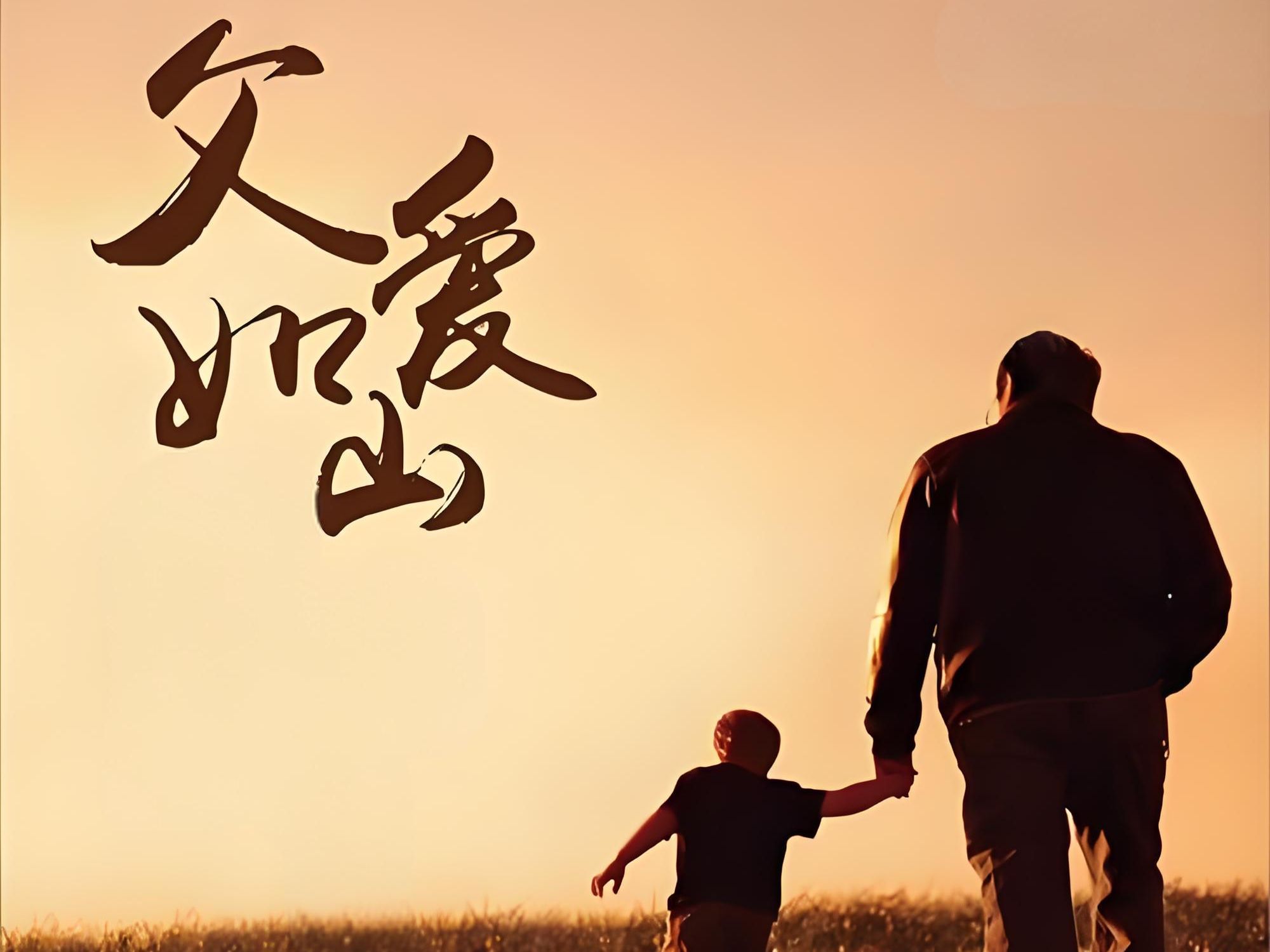
A Father Measures the Length of Love with Sutras
Father's birthday has arrived. In the video call, he sits at his desk, holding that dark blue-covered handwritten book. Sunlight filters through the lenses of his reading glasses, casting small spots of light on the words "heart valve." After hanging up, I touch the long-healed scar on my chest, and the memories of May 12, 2023, suddenly come into sharp focus—that day, the operating lights at Chengdu Third People's Hospital stayed on for five hours, and outside the ICU, father stood for five hours, chanting sutras for five hours.
That spring, when the diagnosis of "heart valve replacement" was placed in front of father, a man who had worked as a cardiac surgeon for thirty years, he fell silent for half a minute. Later, he studied the films under the lamp until midnight. The next morning, he said to me, "Choose a biological valve; it has better compatibility. I’ve asked old colleagues to contact the best model." The professionalism in his tone was like formulating a precise surgical plan, yet I saw him rub his hands repeatedly on his white coat as he turned around—a habit he has when nervous.
The operation was scheduled for 8 a.m. on May 12. As I was wheeled toward the operating room, the electronic screen in the corridor displayed the red words "Surgery in Progress." Father stood at the end of the corridor outside the ICU, his light gray shirt ironed to perfection, clutching that handwritten book tightly. Later, my spouse told me that after I went in, he found a spot directly facing the operating room corridor, took out his glasses from his pocket, put them on, opened the book, and began chanting passages from the Medicine Buddha Sutra about "healing heart ailments."
For five hours, he stood there. A nurse came to persuade him to sit down midway, but he shook his head: "Standing keeps me alert; I can hear movements inside." In fact, the operating room door was well soundproofed, yet he always felt he could catch the faint clink of instruments and judge the progress of the surgery from the hurried footsteps of doctors passing by. Once, the assistant to the chief surgeon came out to get instruments, and he immediately stepped forward, asking in greater detail than anyone else: "What’s the aortic cross-clamp time controlled at? Is the valve size 27 or 29?" After getting a reply, he stepped back to his place and continued chanting, his voice steadier than before.
At 1 p.m., the operating lights finally went out. As my bed was wheeled toward the ICU, through my semi-conscious vision, I saw father quickly follow, his glasses slipping down his nose without him noticing, the handwritten book crumpled at the edges from his tight grip. He didn’t speak; he just walked alongside the bed, his gaze fixed on the heart rate numbers跳动 on the monitor, as if verifying the final data of a surgery.
When I woke up in the ICU, it was evening. Amid the regular beeping of the monitor, I turned my head and saw father still standing outside the glass window. Five hours of standing had made his legs stiff, and he would quietly shift his weight occasionally, but he never put down the book, still chanting "May this heart wheel turn unceasingly." When he saw I was awake, he immediately straightened up, mouthed "Don’t move," then turned to whisper something to the nurse—later I learned he was asking the nurse to check if my heart rate was stable.
During the two days I was in the ICU, father appeared outside the window promptly every day. He came at 7 a.m. and left at 9 p.m., surviving on bread my spouse brought him in between. He didn’t make phone calls; he just stood in his usual spot, the pages of his book curled from use, the passages about "a strong and unobstructed heart" marked densely with notes. Once, I smiled at him through the glass, and he smiled back, patted his chest, then pointed in my direction, as if saying, "Your heart is in my thoughts."
On the day I was transferred out of the ICU, father rushed over first. Instead of asking how I felt, he checked the valve opening and closing data on the monitor, then felt my wrist to confirm my pulse was strong before sighing in relief: "The new valve is obedient; you must take good care of it from now on." As he spoke, he handed me the handwritten book: "There’s a passage here about 'unobstructed heart vessels.' Read it when you have time—not because of faith, but to ease your mind."
This year, with the economic downturn, my spouse and I have had our incomes cut in half. When I mentioned it to him, he immediately said: "If it’s not enough, tell me. Don’t make yourself suffer. Your heart mustn’t be wronged." In a video call a few days ago, he even waved a stethoscope at the camera: "Come back sometime, and I’ll listen again to see how smoothly the new valve is working."
Right now, there’s a photo in my phone—taken secretly by my spouse—of father standing outside the ICU window on the afternoon of May 12, 2023, sunlight falling on him, a corner of his handwritten book lifted by the wind. That image reminds me of the words "free from all obstacles" in the Heart Sutra. It turns out father’s protection was never about grand vows, but about those five hours of standing outside the operating room, those two days of watching through the glass, about weaving his concern for his child into every word of the sutras, into every careful moment of auscultation.
Happy birthday, father. May every moment you stand be as steady and strong as the new valve in my chest, held gently by the years.



评论列表
发布评论